The Wild Story of Cleveland's Ten-Cent Beer Night
Published on September 21st, 2025 3:38 pm ESTWritten By: Dave Manuel
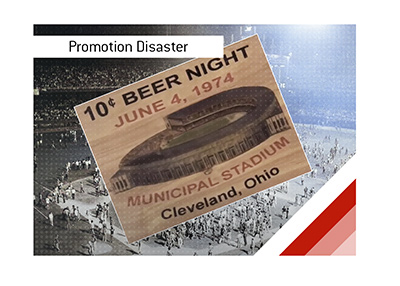 Ten-Cent Beer Night. The name alone explains what happened. On June 4, 1974, the Cleveland Indians tried a promotion that has gone down as one of the strangest and most disastrous in baseball history.
The Indians were struggling to draw fans. Attendance at Cleveland Stadium was poor. Marketing staff wanted a gimmick. The solution: sell 12-ounce cups of beer for 10 cents apiece. The limit? Six beers per purchase. No limit on total purchases. Fans quickly figured out what that meant.
The opponent that night was the Texas Rangers. Just a week earlier, the two clubs had brawled in Texas, with players and fans nearly clashing. Tensions were high before the first pitch. Mix in dirt-cheap beer, and the recipe was obvious.
The crowd grew rowdier inning by inning. Firecrackers went off in the stands. Fans ran onto the field to grab hats from players. Streakers appeared. Rangers manager Billy Martin kept his players on edge in the dugout, bracing for trouble. By the ninth inning, it boiled over.
A Rangers outfielder was hit trying to catch a fly ball. Fans stormed the field. They carried knives, chains, and pieces of stadium seats. A full-scale riot broke out. Martin grabbed a bat and led his players onto the field to protect themselves. Indians manager Ken Aspromonte ordered his own players to join the Rangers to defend against the mob.
Umpires had no choice. The game was declared a forfeit in favor of Texas. Final score: Rangers 5, Indians 5, but officially a Texas win.
In total, 19 fans were arrested. Dozens were injured. Police restored order only after swinging clubs and clearing the stadium. The Indians canceled similar promotions planned for later in the season.
For perspective: paid attendance was 25,134, nearly double the club's average at the time. Estimates suggest the majority of adults in attendance drank six or more beers apiece. The riot remains one of the most infamous promotional disasters in sports history, a case study in how not to mix alcohol and live events.