Olympic Bobsleigh 4-Man Betting Odds and Event Info
Date: 2026.02.22 (Final)
Contest: OLYMPICS
Location: Cortina Sliding Center, Cortina, Italy
The Olympic 4-man bobsleigh competition is one of the premier events of the Winter Olympic Games. Combining speed, power, and technical precision, the discipline represents the ultimate test of coordination between pilot and crew.
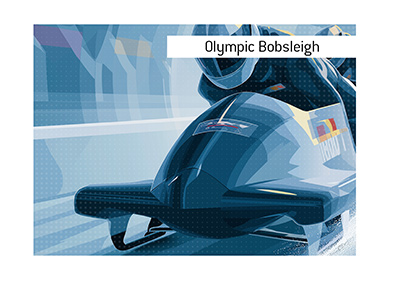 At the current Games, Heats 1 and 2 are scheduled for February 21, with Heats 3 and 4 taking place on February 22. Final medal positions are determined by the combined time across all four runs, rewarding both explosive starts and consistent execution.
Origins of Olympic Bobsleigh
Bobsleigh traces its roots to late 19th century Switzerland, where early sled designs evolved from simple wooden toboggans into precision engineered racing machines. The sport quickly gained popularity in alpine regions and became part of the inaugural Winter Olympics in 1924.
The 4-man event has remained a core Olympic discipline for nearly a century. Its endurance across generations reflects its unique blend of athleticism and engineering.
Event Format and Structure
The Olympic 4-man competition consists of four timed runs spread over two days. Each team is made up of one pilot and three push athletes.
Key elements of performance include:
Explosive push start
Clean load into the sled
Technical steering through high speed curves
Aerodynamic body positioning
Consistency across all four heats
Times are recorded to the hundredth of a second, and cumulative results determine final standings. Small errors in early heats often prove decisive once margins tighten in Heats 3 and 4.
Track Dynamics and Strategy
Olympic tracks feature banked turns, sweeping curves, and long straightaways where sleds can exceed 140 km/h. Ice conditions evolve throughout competition, meaning later starters may face different surface characteristics than earlier teams.
Pilots must balance aggression with control. Over steering costs speed, while conservative lines risk falling behind rivals who attack technical sections.
Notable Nations and Champions
Historically, nations such as Germany, Switzerland, and United States have dominated Olympic podiums.
Germany in particular has built a modern dynasty, combining elite sprint athletes with advanced sled technology and experienced pilots. Their consistency in recent Olympic cycles has made them a benchmark in the discipline.
Recent Games have continued this trend, with German crews frequently setting the standard in both 2-man and 4-man events.
Why Heats 3 and 4 Matter Most
While the opening two runs establish early positioning, Olympic medals are often decided on the final day. Pressure intensifies as teams know there are no further recovery opportunities.
Leaders must protect narrow advantages, while trailing crews often adopt aggressive lines in an attempt to gain tenths of a second. The cumulative format creates dramatic finishes, particularly when podium positions are separated by minimal margins.
Olympic 4-Man Bobsleigh Betting Markets
Winter Olympic sliding events generate significant wagering interest, particularly in Europe.
Outright Gold Medal
Bettors select the team expected to post the fastest combined four-heat time.
Podium Finish
Focuses on teams projected to finish in the top three.
Head to Head Matchups
Popular in sliding sports, comparing cumulative times between two teams.
Fastest Heat
Markets may appear for individual runs, especially Heats 3 and 4.
Betting analysis typically considers start speed metrics, pilot experience, historical track results, and equipment development cycles.
Enduring Appeal of the 4-Man Event
The Olympic 4-man bobsleigh competition blends teamwork, physics, and courage. Unlike individual winter sports, success depends entirely on synchronized execution.
As Heats 1 and 2 unfold on February 21 and the decisive Heats 3 and 4 take place on February 22, the margin between gold and silver may come down to hundredths of a second. Few Olympic events deliver such a direct and measurable contest of speed.
-
View more Sporting Contests