When the CFL Tried to Go American
Published on November 16th, 2025 5:06 pm ESTWritten By: Dave Manuel
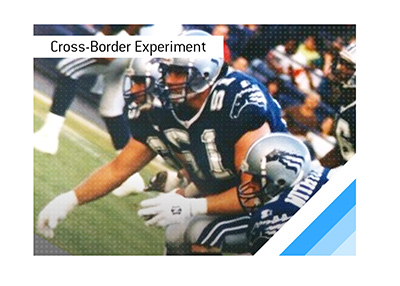 The CFL tried to crack the U.S. market in the mid-1990s. The experiment began in 1993 and ended just three seasons later, in 1995.
The league's first U.S. entry was the Sacramento Gold Miners in 1993. The team was relocated from the CFL's failed Sacramento Surge ownership group, which had played in the short-lived World League of American Football.
By 1994, the CFL had added more American teams: the Las Vegas Posse, Shreveport Pirates, Baltimore CFL Colts (later called the Stallions), and the San Antonio Texans. The league's footprint stretched from Louisiana to Nevada.
Baltimore was the standout success. The Stallions led the CFL in attendance, regularly drawing over 30,000 fans per game. They also won the 1995 Grey Cup, becoming the only U.S.-based team ever to do so.
Other markets struggled. Las Vegas averaged fewer than 10,000 fans per game and folded after one season. Shreveport's team never gained traction, and Sacramento's attendance fell sharply. San Antonio showed some promise but couldn't sustain long-term momentum.
The CFL's U.S. expansion officially ended after the 1995 season. The Baltimore franchise relocated to Montreal, reviving the Alouettes name. The other U.S. teams folded that same year.
Financial losses and logistical issues - long travel, small TV exposure, and competing rules familiarity - doomed the project. By 1996, the league was back to an all-Canadian lineup.
In total, the CFL's U.S. experiment lasted three years. Seven American cities fielded teams: Sacramento, Las Vegas, Shreveport, Baltimore, Birmingham, San Antonio, and Memphis. Baltimore was the only true success story.
The failed expansion left lessons that still shape CFL strategy today: stay focused on core markets, build TV partnerships, and keep the game Canadian - both in name and geography.